Access rules shape the experience
Roles and permissions influence what users can see, create, approve or manage. They are part of the product’s behavior, not just a backend configuration. If those rules are unclear, the interface can promise actions that the application should not allow.
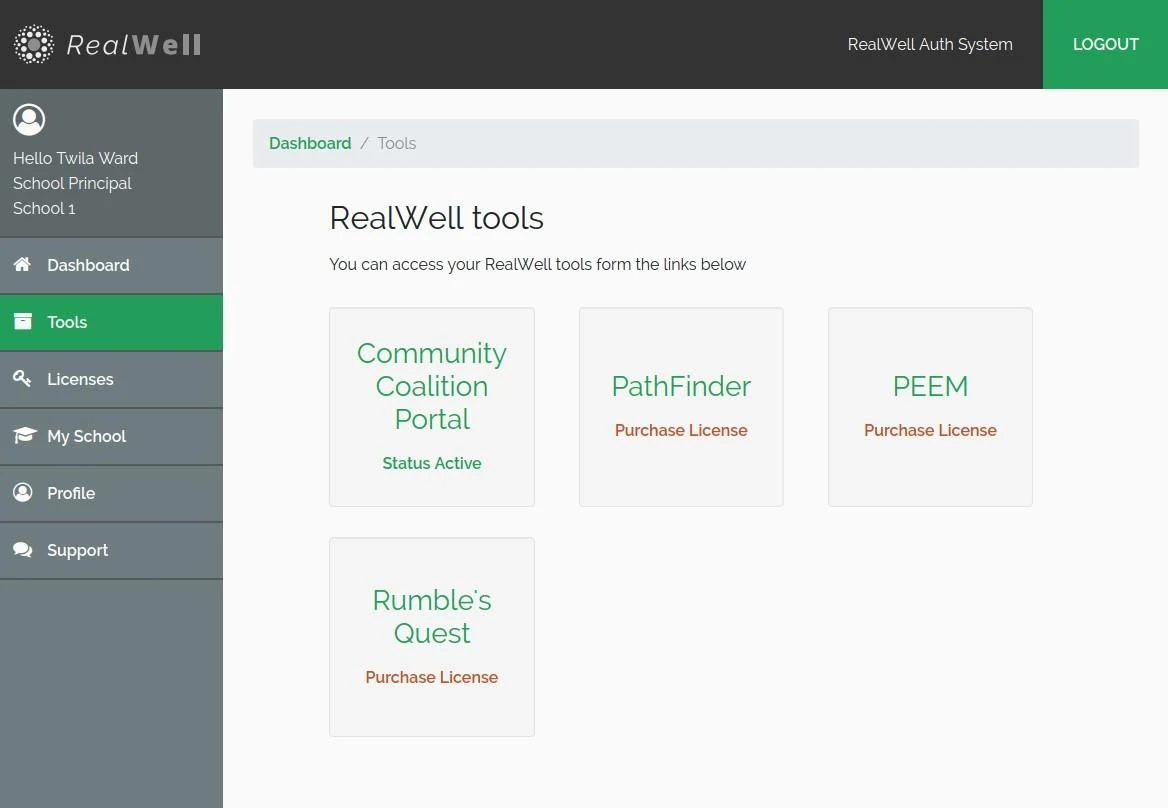
The RealWell account system documented in this portfolio combined registration, roles, permissions, module licensing, authentication and invitations. The Laravel and MySQL implementation was connected to interface design and the needs of agencies, schools and their users.
Describe actions before naming roles
Start by listing the important actions in the system. Identify who needs to perform each action and which records they should be able to access. Then group the permissions into roles that people can understand.
Consider both normal tasks and changes over time. An invited user, a departing staff member and an administrator changing responsibilities may need different behavior. Model those transitions as deliberately as the first sign-up.
- Who can create, view, edit, approve or delete each type of record?
- Is access limited to one organization or account?
- Who can invite users or change their permissions?
- What happens when access is removed?
Make the rules visible where they matter
The interface should help users understand their available actions. An invitation screen should explain what access is being granted. An administrator should be able to see the scope of a role before assigning it. A denied action should have an understandable outcome.
Hiding a button is not authorization. The system must enforce access rules where data is read or changed, and tests should include attempts to access records outside the user’s allowed scope.
Test roles through realistic tasks
Create representative users for the important roles and walk through their actual tasks. Check successful actions, denied actions and the effect of a role change. Test invitations, account boundaries and handoffs between people.
A permission model is easier to maintain when the rules are documented in terms of actions and responsibility. That gives developers, designers and product stakeholders a shared reference for future features.
- Test both allowed and denied actions.
- Verify account boundaries on the server.
- Review permission changes and invitation flows.
- Keep role definitions connected to business responsibilities.
Apply this thinking to your project.
Tell me what you need to build or improve.
Start a ProjectHiring? View my résumé