Ask about the work people need to do
A request for a new interface often starts with a visual symptom: a page feels cluttered, navigation is confusing or an old design no longer fits. Those observations are useful, but the requirements need to reach the tasks beneath them.
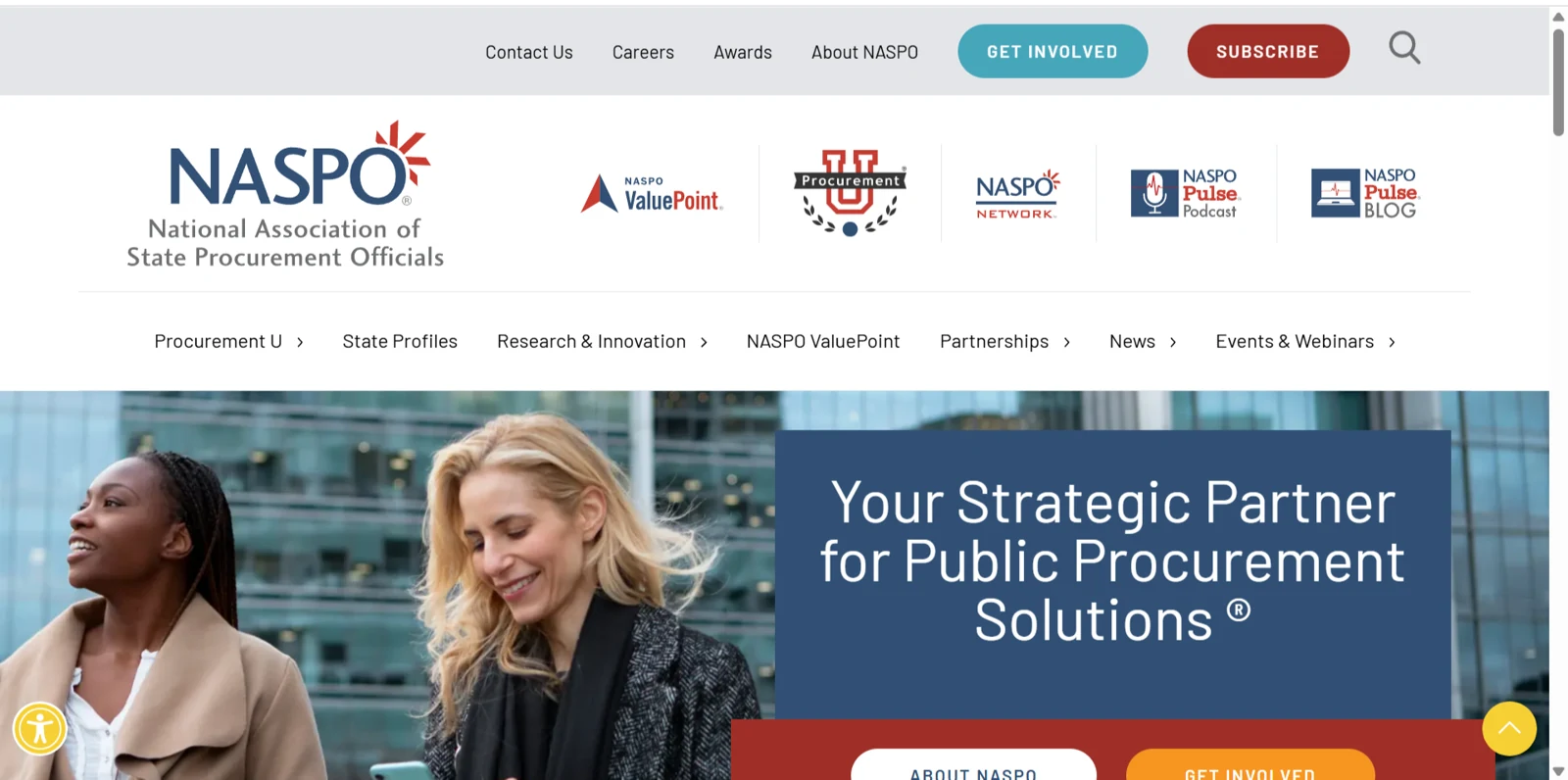
On the NASPO revamp documented in this portfolio, department surveys asked what needed to change, what was difficult and what each team needed from the website. The answers informed requirements, UX, design and development. That is a practical way to connect stakeholder knowledge with implementation decisions.
Turn feedback into specific decisions
Feedback becomes more useful when it describes a user, a task and a consequence. ‘Make this easier’ is hard to implement. ‘Staff need to publish an updated document without rebuilding the page’ points toward a content workflow and an acceptance check.
Separate essential requirements from ideas that can come later. Record the reason for each priority so the team can revisit a tradeoff without restarting the conversation. A design decision is easier to assess when its purpose is visible.
- Who needs to accomplish the task?
- What is difficult in the current process?
- What does a successful outcome look like?
- How will the team check that it works?
Review the whole journey
Interface work includes what happens before and after a screen. How does someone arrive? What information do they need? What happens if a form fails? Who receives or processes the result? Map those steps before polishing isolated pages.
Use prototypes to discuss the journey, then verify it again in the actual implementation. A prototype can explain the intention; a working build reveals constraints in content, integrations, permissions and responsiveness.
Carry the requirements into delivery
Keep the agreed tasks visible during development and testing. The requirements should guide what gets built, what reviewers assess and what is accepted at launch. They should also identify the decisions that remain unresolved.
This approach does not require a large process document. A short, clear record of the audience, problem, priorities and acceptance checks can help design, product and engineering work from the same understanding.
- Link review feedback to an agreed task or requirement.
- Record scope changes and their effect on timing.
- Test real workflows rather than judging screens alone.
Apply this thinking to your project.
Tell me what you need to build or improve.
Start a ProjectHiring? View my résumé